

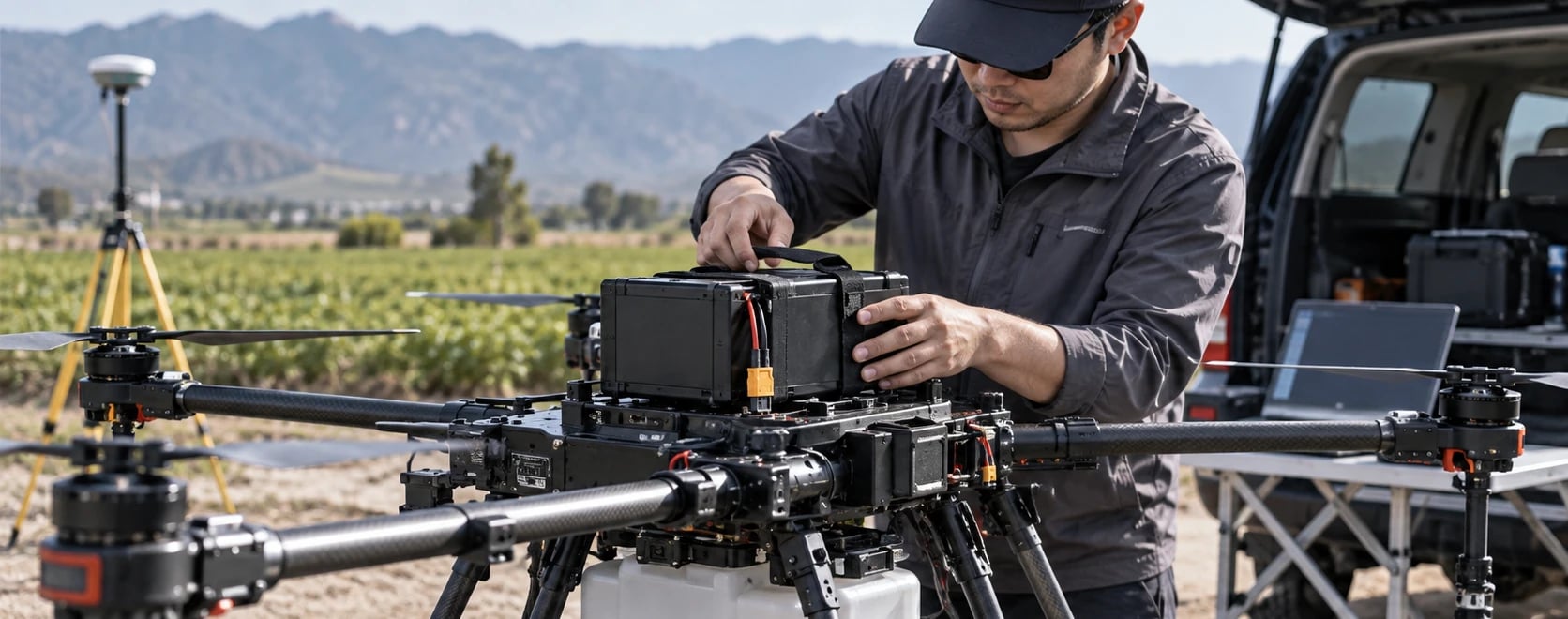
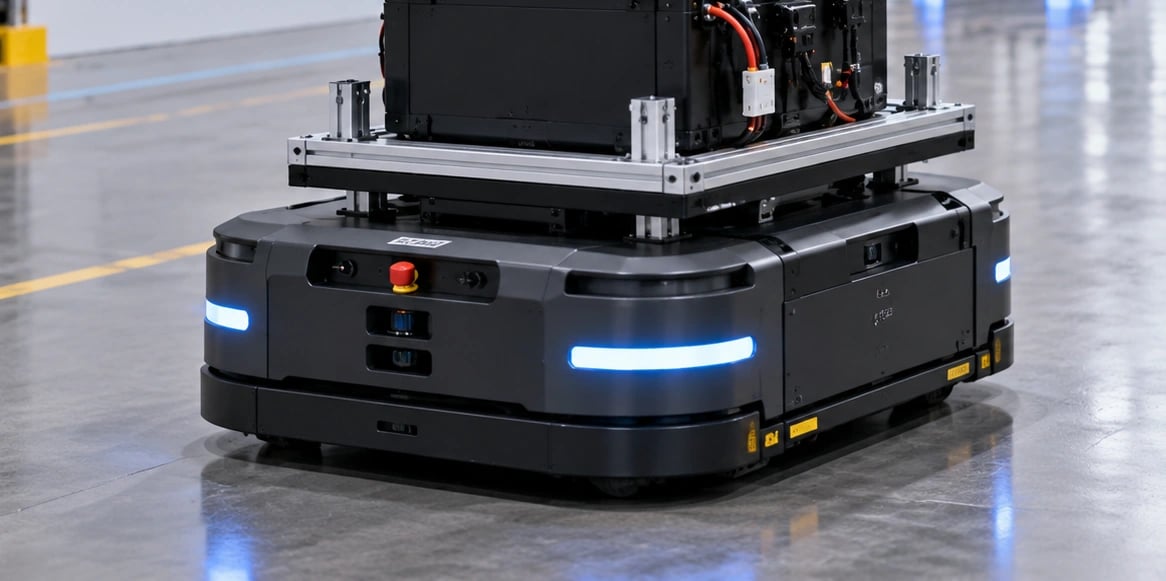
Scene 1 / 3
Applications we power.

Robotics
Power for intelligent machines.

UAV / Drone
Built around the flight mission.

Unmanned Equipment
Energy for autonomous operation.
Application concepts · not customer cases
FROM YOUR PRODUCT TO A COMPLETE BATTERY SYSTEM
Inside the Product
Every product has unique power requirements. We engineer the battery around your real-world needs.
See how it works ↗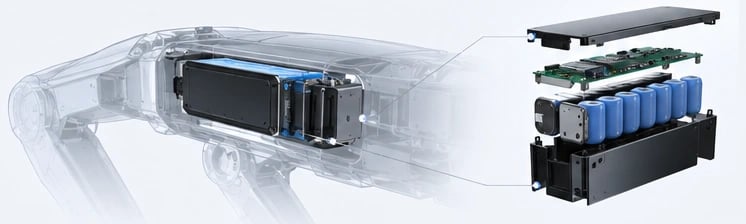
Conceptual product integration
- Space
- Fit your design constraints
- Runtime
- Define the mission duration
- Peak Power
- Understand the operating load
- Communication
- Connect battery and host
- Environment
- Plan for working conditions
ACT 03 / INSIDE THE BATTERY
Inside the Battery System
A complete battery system engineered around your product.
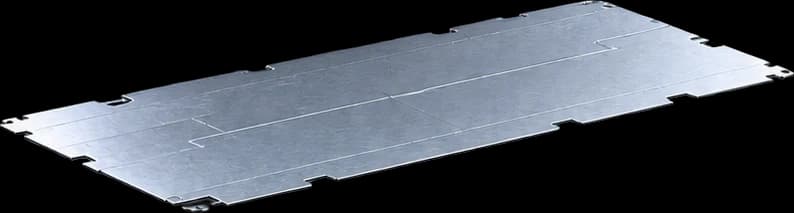
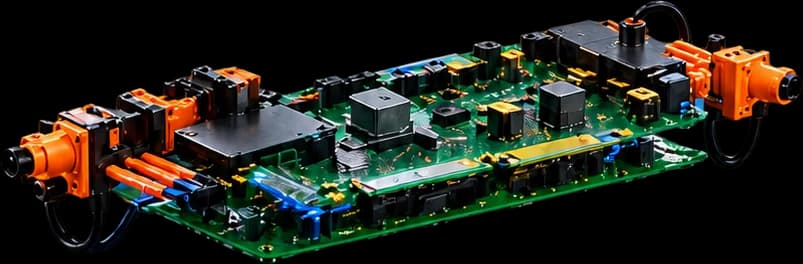
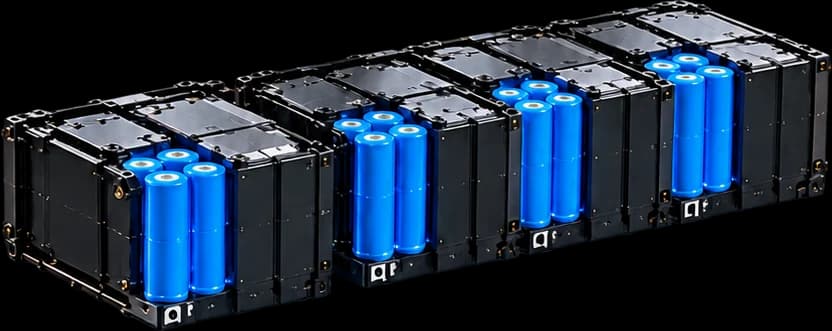
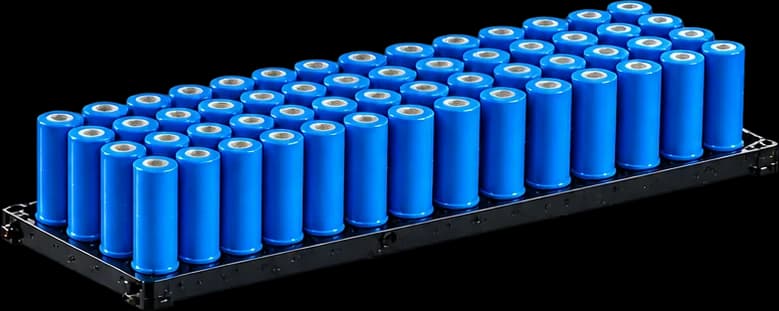
Complete Battery Pack
- WHAT
- An integrated energy system for a host product.
- WHY IT MATTERS
- Electrical, mechanical and control requirements must work together.
- CUSTOMIZATION
- Begin with your product envelope and operating profile.
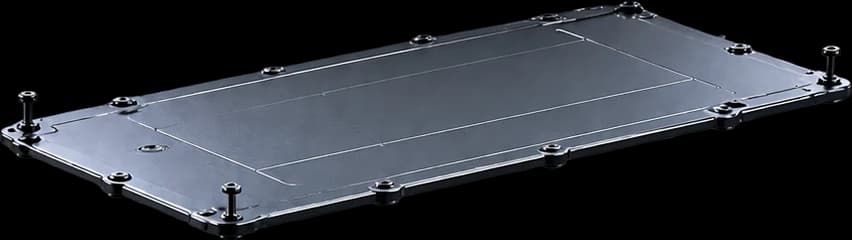
Top Cover
- WHAT
- The outer cover of the battery enclosure.
- WHY IT MATTERS
- Access, mechanical protection and assembly influence the design.
- CUSTOMIZATION
- Material, mounting and service access are evaluated for the project.
Thermal Barrier
- WHAT
- A project-dependent separation or insulation layer.
- WHY IT MATTERS
- Thermal interactions belong in the design and validation plan.
- CUSTOMIZATION
- Material and fire-protection requirements require project-specific evidence.
Battery Management System
- WHAT
- Monitoring, protection and communication architecture.
- WHY IT MATTERS
- The battery must coordinate with the host and charging system.
- CUSTOMIZATION
- Control strategy and requested interfaces are reviewed during engineering.
Battery Modules
- WHAT
- Cells organized into a system architecture.
- WHY IT MATTERS
- Configuration connects energy and power needs with packaging.
- CUSTOMIZATION
- Electrical layout and assembly approach follow the product brief.
Battery Cells
- WHAT
- The energy-storing elements of the system.
- WHY IT MATTERS
- Cell selection balances power, energy, mass and operating conditions.
- CUSTOMIZATION
- Chemistry and format are selected against agreed requirements.
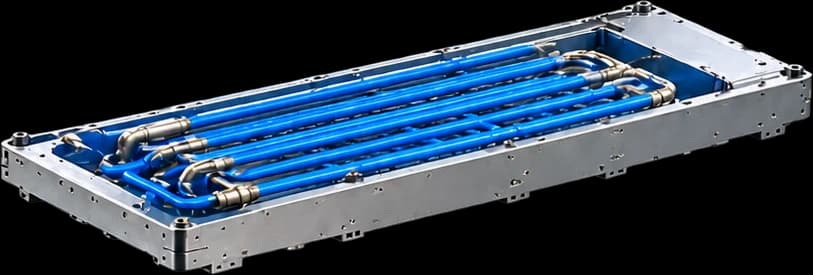
Thermal Management
- WHAT
- The approach to heat transfer within the pack.
- WHY IT MATTERS
- Temperature affects the design and validation strategy.
- CUSTOMIZATION
- The illustrated cooling plate is conceptual, not a confirmed cooling capability.
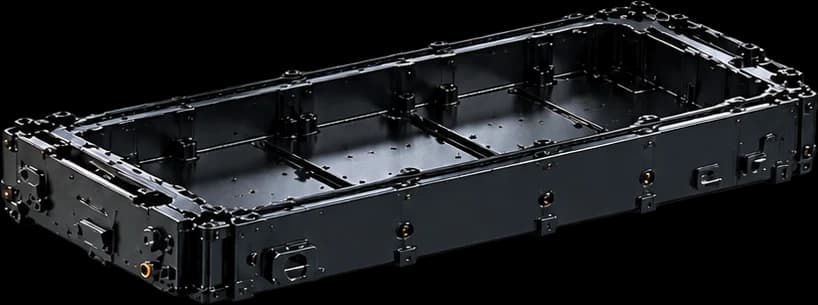
Integrated Tray
- WHAT
- The structural base and integration interface.
- WHY IT MATTERS
- Support, mounting and cable routing connect pack to product.
- CUSTOMIZATION
- Geometry and attachment points follow the available space.
Full Exploded System
- WHAT
- A view of the relationships between layers.
- WHY IT MATTERS
- Interfaces matter as much as individual components.
- CUSTOMIZATION
- Engineering reviews the complete architecture before prototype build.
Reassembled System
- WHAT
- The layers brought together as one system.
- WHY IT MATTERS
- A design must be built, tested and prepared for release.
- CUSTOMIZATION
- Discuss the next engineering step for your application.
ACT 04 / ENERGY & INTELLIGENCE
Structure first. Power flow begins at Cells.
- Cells
- Modules
- BMS
- Connector
- Host System
Conceptual system visualization. Layer arrangement and thermal approach vary by project; this is not a product specification.
THE ENGINEERING JOURNEY
One brief. A complete system.
From the first requirements to a design ready for production.
INPUT
Product requirements
- Application
- Space & interfaces
- Operating profile
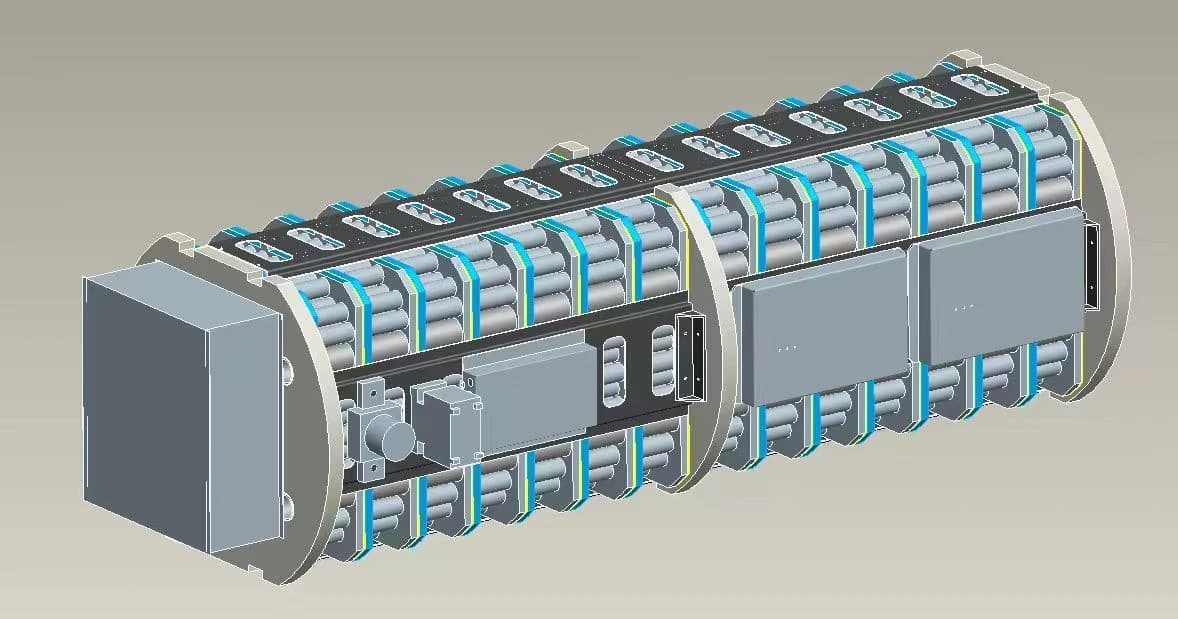
Illustrative architecture · project configuration varies
01 / DefineOUTPUT
Requirements brief
Translate your product needs into an agreed engineering brief.
Explore Battery Engineering ↗Custom Battery Packs ↗
Electrical and mechanical design around your product.
Robotics / UAV Battery Platforms ↗
Development scope shaped by duty cycle, weight and integration.
Industrial Battery Systems ↗
Power architecture, monitoring and equipment interfaces.
ACT 06 / THE REAL WORLD
Engineered to be built.
Step beyond the system illustration. See the supplied production floor, equipment and battery assemblies.
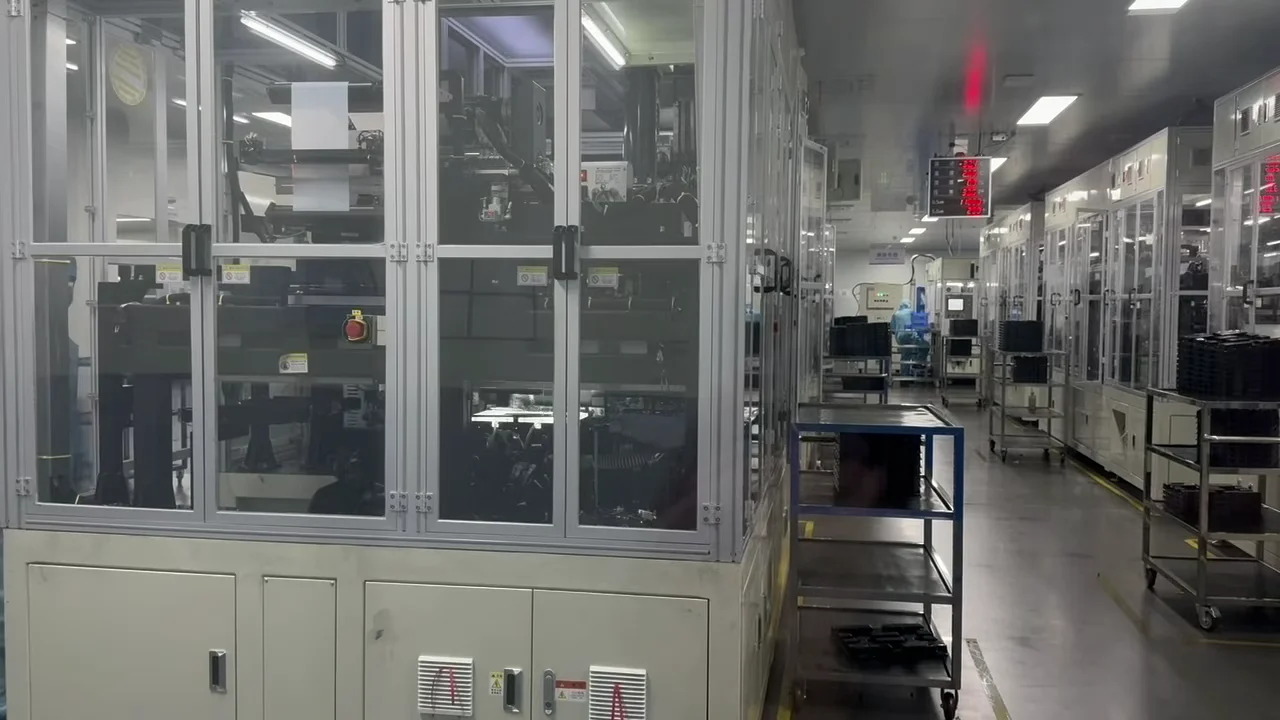
+ Production equipment
Enclosed equipment and material handling are visible in this production footage.
+ Workshop layout
The supplied view shows the arrangement of equipment and production aisles.


From an agreed design to the next build.
Discuss your project ↗Evidence you can see.
Real inspection equipment and workshop photographs. Images show the setup, not a certified test result or a claimed performance level.

Material inspection
Inspection hardware and monitoring displays in the supplied photograph.

Monitoring workstation
A workstation beside processing equipment. Displayed readings are not product specifications.

Equipment & fixtures
A closer view of workshop equipment and fixtures. Test scope is agreed per project.
Compliance Documentation
Certification requirements are evaluated during development and incorporated into design and validation planning. Specific documents are shared only when their model and project applicability are confirmed.
Explore certification planning ↗ACT 07 / YOUR PROJECT
Build your battery requirement.
Four starting choices. A clearer engineering conversation.
A CLEARER START
Questions before
your first project?
What battery solutions do you provide?
We work on custom battery packs and battery systems for robotics, UAVs, smart devices, tools and energy storage applications. A project begins with your application, power requirements and operating conditions.
Can you customize battery packs?
Yes. Customization can cover cell selection, voltage and capacity targets, pack dimensions, BMS functions and communication. Feasibility is reviewed against your product requirements before the design is agreed.
Do you support OEM/ODM projects?
Yes. Our scope covers battery design, engineering, sample development, testing and manufacturing support for OEM/ODM projects. The exact scope and deliverables are defined for each project.
What information should I prepare for a battery project?
Share the application, voltage, capacity, peak load, available dimensions, operating conditions and expected quantity. Drawings or an existing specification are useful. If a requirement is not yet defined, mark it as unknown.
How are testing and certification handled?
Testing and certification requirements depend on the application and target market. These are reviewed during project definition. Applicable standards, test scope and supporting documentation must be confirmed for the specific design.
ACT 06 / YOUR PROJECT
Have a Battery Project to Evaluate?
Share your product requirements. Start a conversation, submit a technical brief or upload your drawings.
Choose a short project inquiry or a detailed technical brief.